
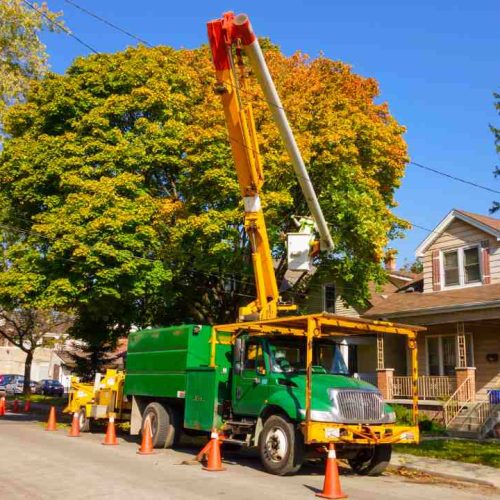
In simple terms, pruning is targeted, standards-based tree care. Lopping is the heavy removal of large branches or the top...


In simple terms, pruning is targeted, standards-based tree care. Lopping is the heavy removal of large branches or the top...
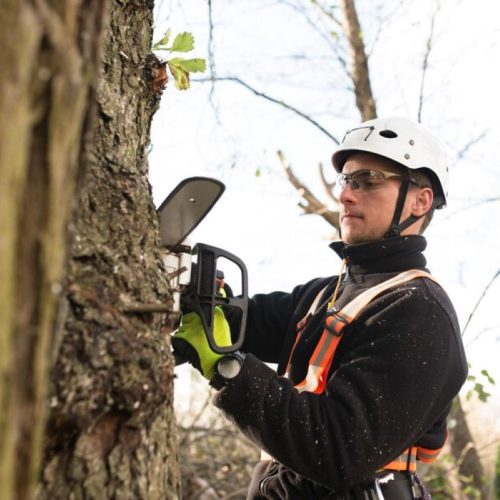
Below is a practical guide to what an Arborist Sydney team typically does, when to call them, and how to...
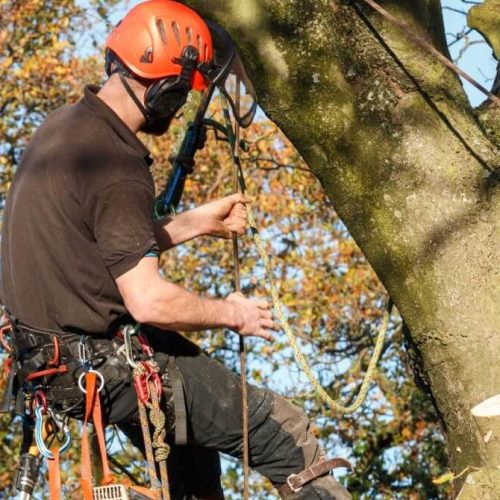
The best approach is to treat it like any high-stakes trade. Check credentials, ask the right questions, and get the...
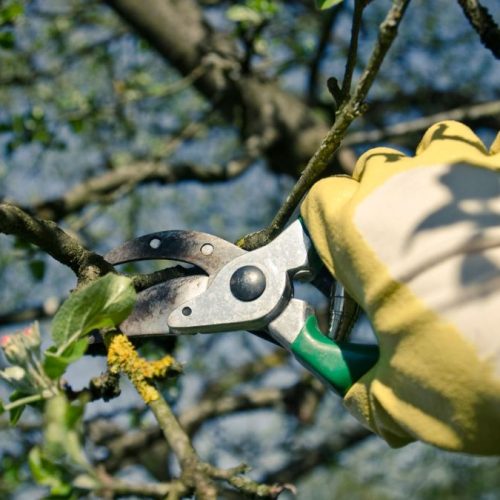
Tree pruning is not just “cutting branches.” Done well, it strengthens form, reduces failure risk, improves light and airflow, and...

The Analog Forestry Network has completely transformed the way we approach forest restoration on our property. The resources provided are comprehensive and easy to follow, and the introductory courses were invaluable in helping us understand the principles of analog forestry. We’ve seen remarkable improvement in biodiversity and sustainability thanks to the practical guidance and support from the team.

Attending the Analog Forestry Workshop was a game-changer for my conservation work. The hands-on experience and expert knowledge shared during the event were incredible. I left with actionable steps to improve the health of the forest I manage. I highly recommend their workshops to anyone interested in making a positive environmental impact!

I was new to analog forestry when I first joined the Network, but the resources and courses made it so easy to understand. The team’s dedication to promoting sustainable forest practices is evident in everything they do. Thanks to their support, I now feel confident applying these techniques to my local restoration project.

Powered by WordPress & Theme by Anders Norén